Fleas
Fleas are considered a super athlete in the insect world because of their ability to jump 100 times their height. However, this little fun fact probably doesn’t bring many smiles to pet owners faces or even those who don’t own pets for that matter. Many of us know how annoying this pest can be. Jumping and biting our legs and causing our pets to go insane.
The cat flea is the most common pest associated with dogs and cats and will spend the duration of their life cycle on the host. These biting pests feed on warm blooded creatures, and like most biting pests, cause itching and discomfort. Fleas can also serve as a host to their own pest, tapeworms. For those that don’t own pets, it should be noted that wildlife can be the source of flea infestations.
The best defense against fleas is a good offense. Fleas can lay 20-50 eggs per day, which means an infestation can get out of control very quickly. Prevention and monitoring can go a long way when it comes to flea control.
Below is a profile of the cat flea and ways to prevent this pest from infesting your property.
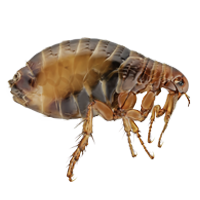
| Identification |
|
| Behavior |
|
| Habitat |
|
|
Life Cycle (Gradual or Incomplete Metamorphosis) |
|
|
Seasonality |
|
|
Favorable Conditions |
|
|
Health Concerns |
|
|
Signs of an infestation |
|
What You Can Do Before We Get There
- Vacuum throughout the home focusing on cracks and crevices and under furniture.
- Mop all hard floors with a generous amount of soapy water focusing on cracks and crevices.
- If you have an animal, treat your animal under the direction of their veterinarian.
- Launder your pet’s bedding.
- Do not self treat with bug sprays or foggers (bug bombs). They can make people and pets sick and aren’t able to reach places fleas hide.