Bed Bugs
Bed bugs have been a pest to human beings for ages. It has been many decades since they have been a real threat to our quality of life, but recently bed bugs are becoming a nationwide, and worldwide problem.
There are a couple of theories to their return. For one it has been demonstrated that many strains of bed bugs in the U.S. are several hundred times more resistant to the insecticides that most pest control companies rely on. Secondly, bed bugs are more common in cities with abundant tourism. The theory is that bed bugs are possibly making their way over as in luggage from other countries as globalization has increased international travel.
We do know that most strains of bed bugs are resistant to the chemicals available today for control, that bed bugs become resistant to the chemical DDT within a decade of its introduction and that further chemical resistance can be expected in the future. An integrated pest management approach that utilizes multiple non-chemical methods and materials is therefore the only sustainable, and right now, the only viable approach to bed bug management.
Bed bugs have been found infesting hotels, apartments, movie theaters and private homes. It is common to find infestations in highly populated cities with an abundance of international visitors from Europe, South America, and Asia where the bed bugs are more likely to thrive. Although bed bugs survive on blood — not filth — it is much easier to eliminate bed bugs from an orderly room than a cluttered, unsanitary one. Bed bugs can even spread into the cleanest of hotels, restaurants, residential homes and apartments undetected. Bed bugs have been known to spread through second-hand furniture, bus seats and other used articles. Because the hitch-hiking bed bugs spread so easily, their ability to infest so rapidly is a major concern.
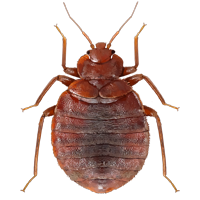
| Identification |
|
| Behavior |
|
| Habitat |
|
|
Life Cycle (Gradual or Incomplete Metamorphosis) |
|
|
Seasonality |
|
|
Favorable Conditions |
|
|
Health Concerns |
|
|
Signs of an Infestation |
|
What You Can Do Before We Get There
- Reduce clutter in your unit so that there is enough walking space for technicians during the inspection.
- Tidy up - general cleaning including dusting, vacuuming, and wiping down surfaces. Removing household dust improves indoor air quality and helps our treatments work better.
- Be cautious. Bed bugs are hitchhikers and can be moved on luggage, backpacks, and furniture.
- Wash your bed linens or sheets every 1-2 weeks and everytime we bag up any laundry during our visits. Washing in hot water or drying on high heat works best.
- Do not self treat with bug sprays or foggers (bug insecticide bombs). These may spread bed bugs to new locations and make eradication more difficult.