Ants
Where you see one ant you are bound to see more. Their small size allows them to easily make their way into your home. Getting in through openings around water and electrical lines and cracks and crevices around the foundation. The scout ants, whose jobs is to locate food for the colony, will search your home high and low for any source of food. This could be sugar, meats, fruit or anything else that is available. One specific species of ant can cause great havoc and stress in your home.
Argentine ants are the biggest pest ant nuisance in the Bay Area and they are also detrimental to beneficial and native pollinators. They are a non-native invasive species of ant that has taken a few hundred years to form a supercolony that stretches 600 miles down the west coast.
Because we will never get rid of all of these ants, the next best solution is prevention by making your home less desirable to them.
Below is a profile of Argentine ants and ways to prevent this pest from infesting your home.
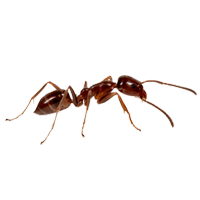
| Identification |
|
| Behavior |
|
| Habitat |
|
|
Life Cycle (Gradual or Incomplete Metamorphosis) |
|
|
Seasonality |
|
|
Favorable Conditions |
|
|
Health Concerns |
|
|
Signs of an infestation |
|
Things You Can Do Before We Get There
- Clean up spilled food and drinks.
- Store food in sealed containers and dispose of waste properly.
- Be sure to rinse out recyclables.
- Regularly clean the inside of your garbage and recycling cans.
- Spray ant trails with a soapy water solution (10 parts water, 1 part soap) and wipe up to remove